Winter is coming, and like many, I love to prepare by crocheting warm, cozy beanies for my friends and family. But every year, I find myself stuck on the same question: what's the best yarn to use? I want to make something that's not only warm but also durable and easy to care for. This year, I decided to really dig into the options and figure out the pros and cons of different yarn types.
I was particularly torn between using acrylic yarn and wool. Acrylic is often seen as the budget-friendly option, and I wondered if it could really provide the warmth and comfort I was aiming for. I remember once questioning if acrylic was a bad choice for a beanie. I wanted to make sure my friend wouldn't freeze! I started exploring different types and blends, hoping to find the perfect balance of warmth, affordability, and ease of care.
I discovered that acrylic yarn, despite its reputation, can be a great option for beanies. It's definitely not the fanciest yarn out there, but for something that's going to be worn a lot, acrylic has some serious advantages. It’s warm enough, incredibly durable, and best of all, it's machine washable. The colors also tend to stay vibrant even after multiple washes, which is a big plus. Plus, you can find some really soft acrylic yarns at reasonable prices. I was initially worried about acrylic not being warm enough, but I found that a tightly crocheted beanie made with a good quality acrylic yarn can definitely keep you snug.
One thing I learned is that acrylic can sometimes get a bit smelly if it's exposed to a lot of sweat. This is more of an issue with sweaters or other items that are worn directly against the skin for extended periods. But for a beanie, which is often worn in cooler weather and not directly against sweaty skin, it's usually not a problem. I even crocheted a beanie for my husband with acrylic about four years ago, and he still wears it all the time! It's held up incredibly well, and he's never complained about it making his head sweat or anything. We just toss it in the wash when it gets dirty.
Of course, wool is the classic choice for warmth, and for good reason. It's naturally insulating and breathable, making it a great option for cold weather gear. However, wool can be more expensive and sometimes requires special care. I considered investing in superwash wool, which is treated to be machine washable. This would give me the warmth of wool with the convenience of acrylic. I’ve heard that Lion Brand Wool-ease laundered using fabric softener is plenty soft, if you want to go with that.
Another thing to consider is that some people find wool to be itchy. If you're making a beanie for someone with sensitive skin, you might want to choose a softer wool blend or line the beanie with a different fabric. Speaking of lining, I recently discovered that sewing fleece bands into my wool hats, on the part where the skin would touch the yarn, makes the hat much more warm and prevents any itching. It's a simple trick that can make a big difference in comfort.
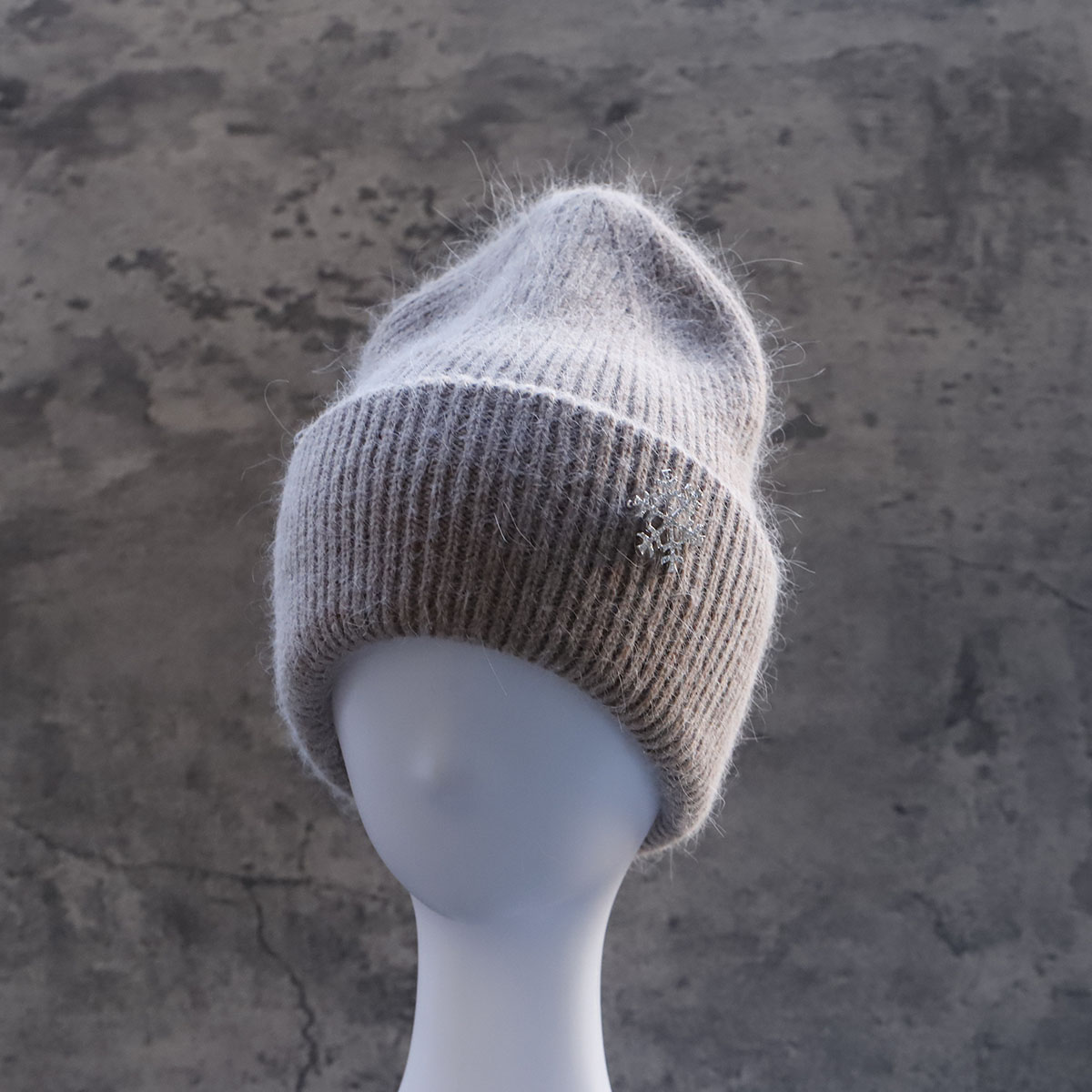
While exploring different options, I stumbled upon a beautiful beanie on Buy WholeCustomDesign that caught my eye. It was the " Hot Selling Winter Hat Real Rabbit Fur Winter Hats For Women Snowflake Warm Beanie cold Hats Women Solid Adult Cover Head Cap."
It’s a stylish option, and although I haven't personally tried it, it looks incredibly warm and cozy. The real rabbit fur adds a touch of luxury, and the snowflake design is perfect for winter. It's definitely something I'm considering for my next beanie project!
Based on my experience, here are some tips to help you choose the right yarn and make a warm, comfortable beanie: